

When people ask about my approach to budgeting, they often expect spreadsheets, percentages, or investment tips. But for me, budgeting is not primarily about numbers. It is about responsibility.
Budgeting is stewardship.
It is the deliberate decision to manage what I have today in a way that protects tomorrow.
Since embarking on my PhD in June 2023, I have become hyper-aware of my finances. My PhD came with funding for three years, but not enough to fully execute fieldwork and international logistics. In 2024, I sought out additional funding and was successful in securing another three years. A PhD based away from home is expensive.
I take extra responsibility now to monitor my expenses and distinguish between what I really need versus what I want to spend on. I reflect back on my first house purchase in New Zealand in 2012, where an accountant taught me a valuable lesson: write out all daily and weekly expenses, total them, then track my spending. It is a skill I am grateful for today, especially as I now manage over four hundred thousand New Zealand dollars for my PhD. In practice, I manage just NZD 150K of that; the remaining NZD 260K goes toward my monthly stipend.
In a world where research funding fluctuates, where international logistics shift without warning, and where infrastructure varies across countries, uncertainty is not theoretical; it is daily reality. But I have learned that systems matter. In my PhD work, I build systems before collecting data. I establish processes before shipping specimens. I strengthen foundations before expecting outcomes.
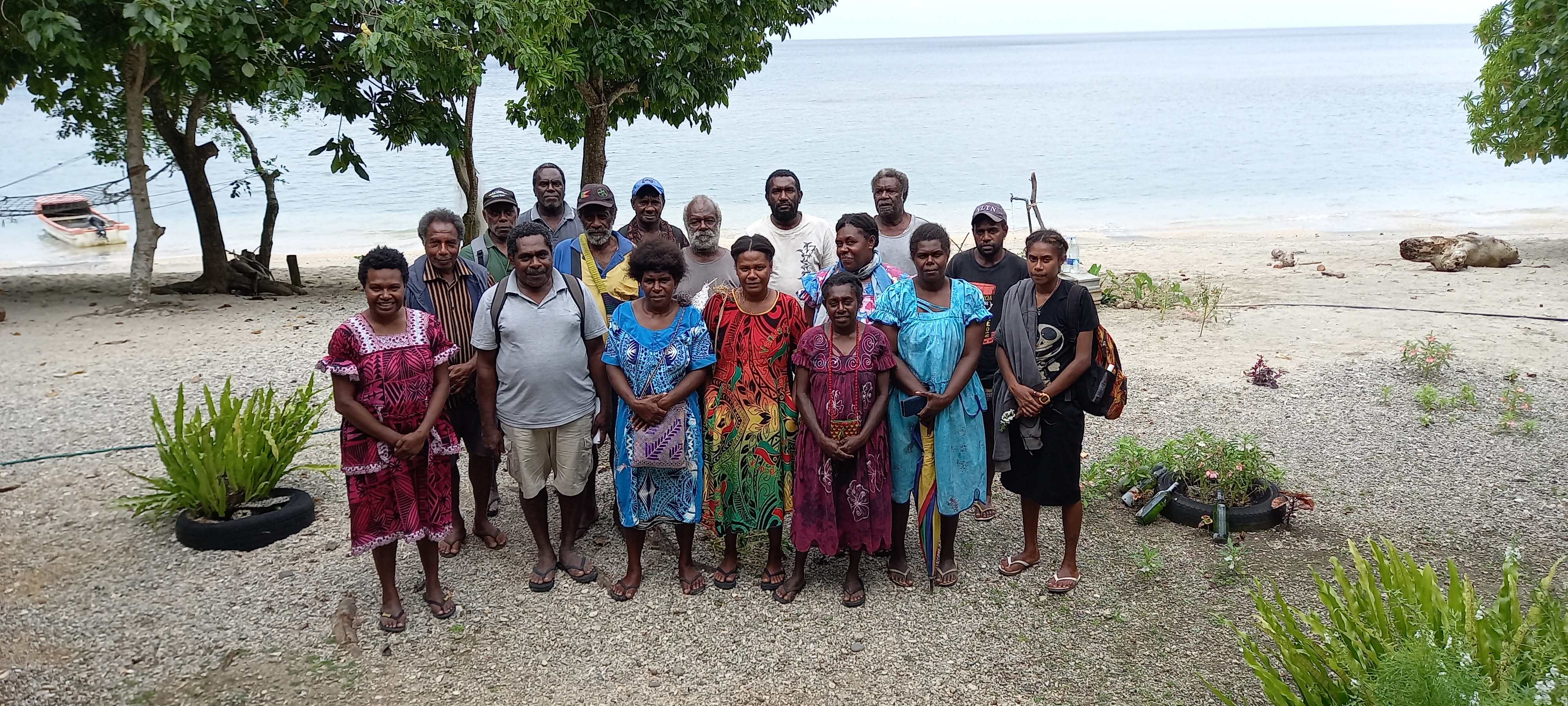
The examples I will use include building systems on the ground like a standard labelling system to manage large specimen samples (more than 17,000). I designed and created a booklet for the research assistants to help them gain more information about the research and the infectious disease I am studying: scrub typhus. I also ensure that I attend to all my cultural protocols; giving respect to the indigenous people, civic spaces, and landmarks, as well as the mites and rodents that are viewed as sacred gods by the locals. I provide training and capacity building to local health professionals to help expand their knowledge, ensuring we are all aligned in our shared goal: to improve healthcare and the quality of life in the community.
Budgeting works the same way.
It is a system that holds stability when external conditions change.
I do not budget to restrict myself. I budget to reduce anxiety. There is quiet confidence in knowing that my obligations are covered, my buffers are intact, and my future plans are funded with intention. Financial clarity eliminates mental clutter and creates space for meaningful work.
For me, budgeting is also about intergenerational stability.
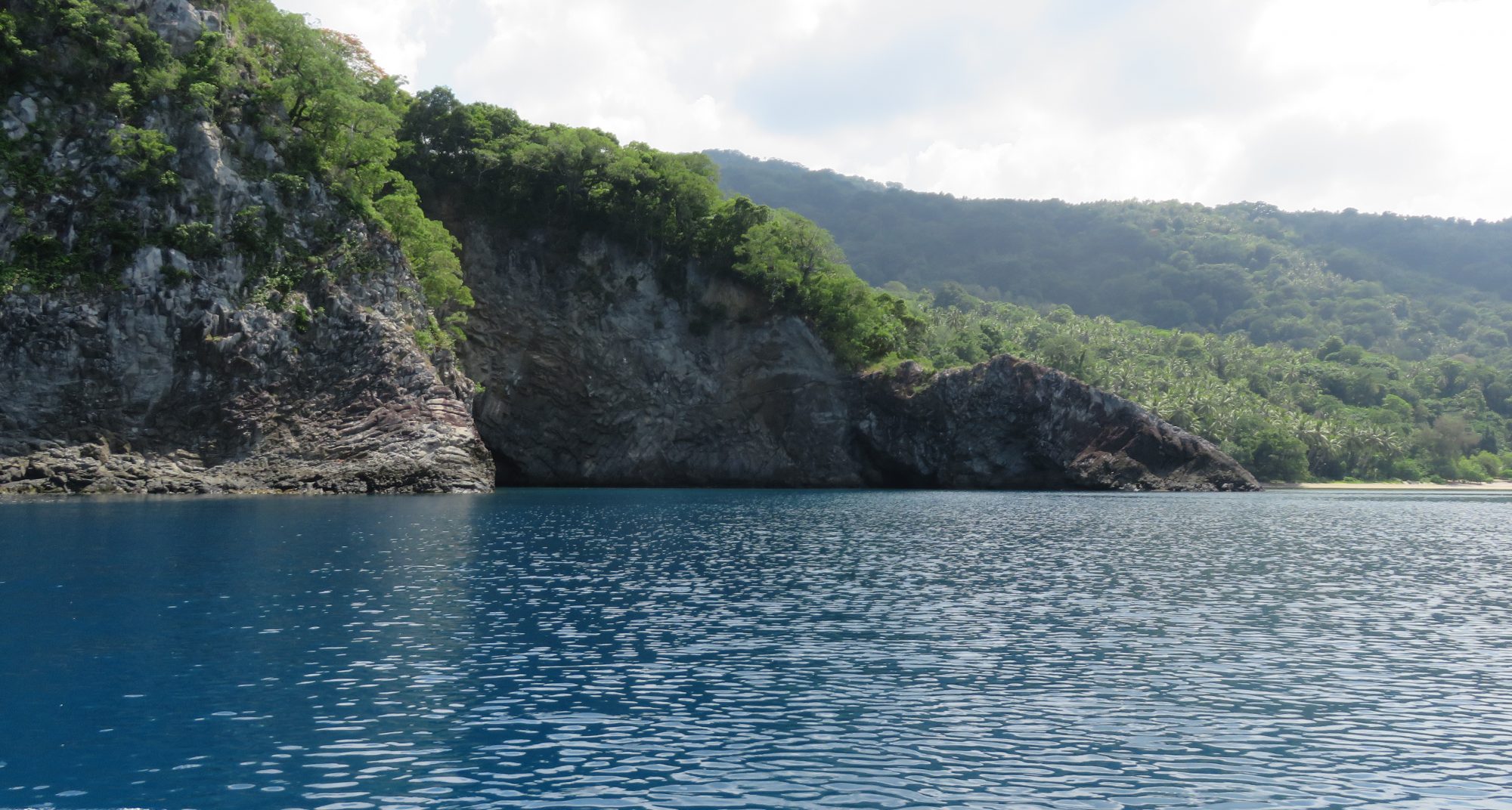
I come from a context where financial systems are unpredictable and opportunities can be limited by circumstance. Vanuatu fits in this perfectly. Budgeting carefully is about building something steadier, not only for myself but for the generations who may depend on me. It is saying: “I won’t leave my future to chance when I can design it with care.” I carry that same philosophy in my PhD work. I am building systems that will endure long after my research ends.
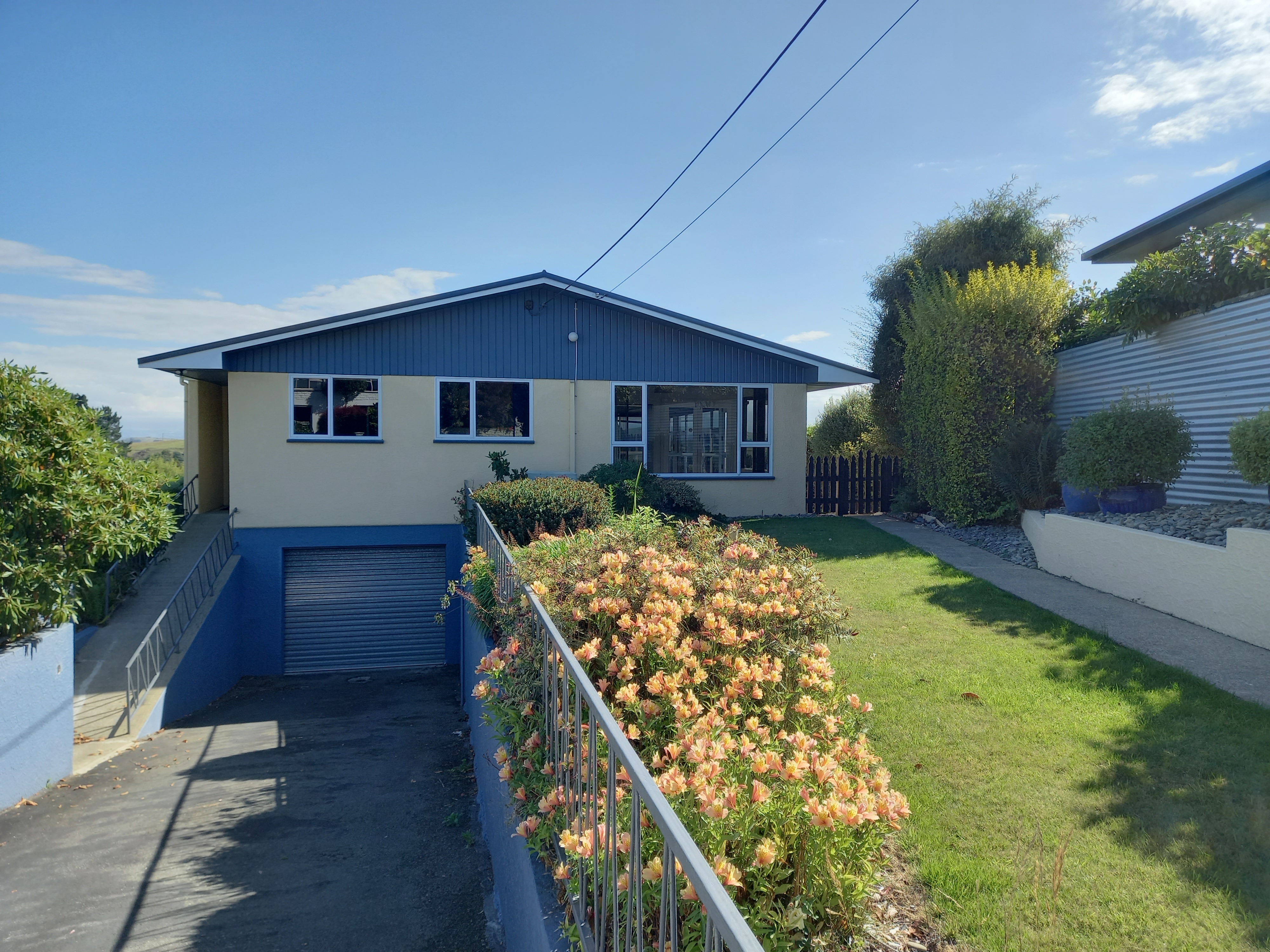
Real estate investment fits into this philosophy, not as speculation, but as structure. Property, when approached wisely, becomes a long-term stabiliser as I have learnt being a property investor. It is not about rapid accumulation or status. It is about building assets that generate options; and ensuring that my investments are intentional, my maintenance is planned, and my risks are absorbed without panic.
Resilience is rarely dramatic. It is built slowly; in emergency funds, in conservative assumptions, in disciplined saving. It is built when income increases but lifestyle does not inflate. It is built when long-term security is prioritised over short-term gratification.
In an uncertain world, control is limited. I cannot control funding cycles. I cannot control exchange rates or infrastructure limitations. But I can control how I allocate what I earn. Budgeting becomes the place where uncertainty meets intention.
It is easy to view budgeting as restriction. But I see it as alignment. Where do my resources go? What future am I quietly constructing? Does my spending reflect my values?
Stewardship requires honesty. It asks difficult questions:
- Is this expense building stability or eroding it?
- Is this purchase temporary comfort or long-term strength?
- Am I reacting emotionally, or acting strategically?
There is dignity in managing resources well and I feel my PhD reflects this. It reflects discipline, foresight, and respect for opportunity. Not everyone starts at the same financial starting point, but everyone can practice stewardship; within their means.
Budgeting, for me, is not about perfection. It is about consistency. It is reviewing, adjusting, recalibrating – something I practice daily in my PhD journey. It is acknowledging that plans evolve, but principles remain steady.
At its core, budgeting is about resilience.
It is the quiet architecture behind financial independence. It is the structure that allows risk-taking without recklessness. It is the preparation that makes opportunity usable.
Just as strong research requires strong foundations, strong futures require intentional financial design.
My approach to budgeting is simple: protect stability, build assets, reduce anxiety, and leave room for purpose.
Because stewardship today creates freedom tomorrow.
Take care where ever you are in the world. Leina xxx
 The girl who is building a museum
Nice 👏👏👌
LikeLiked by 2 people
Thanks very much for dropping by. Have a great week. 👍
LikeLiked by 2 people
Welcome…let’s support each other by subscribing to each other’s page 👍
LikeLiked by 2 people
I love this approach very much. A lot of people believes that budgeting means depriving ourselves from enjoying life. While it should be seen as the other way around. Budgeting should be seen as a way to enjoy life without anxiety or worry of the future.
Great post
LikeLiked by 2 people
Tropical greetings from the South Pacific. Thank you so much for stopping by and bringing the insights to life about budgeting. Yes I agree, budgeting should be a freedom thrill, not a military drill to scare us all. It is our freedom for tomorrow! Leina
LikeLiked by 1 person
Very useful information
LikeLiked by 1 person
Thank you very much for stopping by to read. It is appreciated and I hope the insights are useful and helpful to generalise onwards into each discipline and speciality. Take care and tropical greetings from the South Pacific. Leina
LikeLike
solar companies in chennai https://kandhansolar.com/
LikeLiked by 1 person
eb2bmart
LikeLiked by 1 person
This is a great approach and outlook! Than
LikeLike
This is a great approach and outlook. Thanks for sharing!
LikeLiked by 1 person
No problems 😊. You are very welcome and thank you for stopping by. Tropical greetings from the South Pacific. Leina
LikeLike
It is nice and importing, martey.
That is not just budgeting; that is academic survival transformed into financial mastery.
You have taken the scarcity of a PhD stipend—a reality that forces many into debt—and turned it into a strategic weapon. By securing an extra three years of funding, you didn’t just survive; you engineered your own freedom.
That 2012 lesson was the catalyst, but this is your stewardship in action: protecting your research, your career, and your future from the anxiety of the present. You are building a sustainable future, one line item at a time.
Now beauteously girded from inside out, do keep on keeping on, pal.
LikeLiked by 1 person
Thank you very much for your insightful discussion and points worth noting too. Budget and finance are a big part of any driven project in the right direction. I wish you well on your future endeavors too. Leina
LikeLiked by 1 person
Wifi free code
LikeLiked by 1 person
great idea!
LikeLiked by 1 person
I really appreciated how you framed budgeting as stewardship rather than restriction. That shift in language changes everything. When you see money as something entrusted to you rather than something to consume, discipline starts to feel purposeful instead of limiting.
What stood out to me most was the parallel between building research systems and building financial systems. In both cases, structure creates freedom. You can take risks in your fieldwork because you’ve created buffers. You can navigate uncertainty because you’ve already accounted for volatility. That’s such a mature way to approach both academia and investing.
I also loved the emphasis on intergenerational stability. In a world that often glorifies quick wins and visible success, your focus on slow resilience, conservative assumptions, and quiet architecture feels grounded and wise.
Thank you for articulating budgeting in a way that feels aligned with values and long-term impact rather than just spreadsheets techniques. Cheers!
LikeLiked by 3 people
Thank you very much for your valuable reflection here. I sincerely hope you can envision budgeting in a different light – looking at it from a stewardship perspective. Thank you for stopping by and taking the time to read the piece. I wish you well in your journey too. Leina
LikeLiked by 2 people
I’m curious to find out what subject you’re doing PhD in and which community you are located in, where the theological beliefs require you to tread carefully about test subjects.
Systems matter. I absolutely agree with that. Without systems, we can’t track things nor progress. Systems allow us to move forward with a consistent plan.
LikeLiked by 1 person
Yes sure. Tropical greetings from Vanuatu in the South Pacific. I am currently undertaking a PhD on a neglected bacteria disease called scrub typhus to find the prevelance of the disease in the country. The disease is vectored by a mite and hosted by rodents. Both the mite and rodents are regarded as sacred gods by certain tribes where I will undertake the field work. Vanuatu is made up of 83 Islands and infrastructure to supporting research is still low, we hope to raise the standards by building resilient systems for future research.
Thank you very much for stopping by. Leina
LikeLiked by 3 people
Wow! That is so cool. I just googled scrub typhus to understand the context properly. It turns out to be a seriously dangeroud looking disease. Are they plant mites causing this? If they worship them then they could probably be spider mites, too. I’m extremely interested in many subjects, and theology at the heart of it, so m happy to be enlightened more.
Vanuatu looks very beautiful. Almost looks like bora bora. Thank you for introducing me to it. 83 Islands. Wow!
I wish you all the best for your research. May it bring you results that help in the prevention and control of th8s diseases. Ameen
LikeLiked by 1 person
very beautifull 👌
LikeLiked by 2 people
Ah thanks for stopping by to read. Have a wonderful year. Leina
LikeLike
I like affirming that I’m abundant while making financially responsible decisions. I used to be a shopaholic and feel way calmer now that I’m more financially literate
LikeLiked by 1 person
im new here thanks a lot please.
LikeLiked by 1 person
Such great guidance.
LikeLiked by 1 person
Tropical greetings Amy. Thank you very much for stopping by. All my best wishes for this year. Leina
LikeLike
Great 👍
LikeLiked by 1 person
I appreciate how you connect financial discipline with long-term purpose. The idea that systems—whether in research or finances—create stability in uncertain environments is a great takeaway.
LikeLiked by 3 people
No problem 😊. Glad you got some useful insights out of it and I wish you well for the future too.
LikeLike
Love the site! I blog about the New York Mets, mets-madness.com feel free to check out my blog, this link is the correct one if you scroll all the way down on my blog you can subscribe, can you please follow mine too? Let’s help each other grow! -Mikayla Scotlynd Littrell, MetsMadness.
LikeLiked by 1 person
Good job: you’ve really managed to connect with your readers on this topic, where I’ve tried to connect around this topic and only a couple of older readers have appreciated it, so, clearly I didn’t frame it very well for them , but you certainly have. I’ll have to think about the way that you framed long-term and intergenerational financial issues, as that’s what I’ve been trying to connect with people around for several years. And good luck with your research. Thank you for your writing , and for your research, for all of us.
Antonia
LikeLiked by 2 people
Tropical greetings Antonia. Thank you very much for stopping by to provide feedback and reflections. Always great to see and read the insights taken too. Thank you for the best wishes on my research. Financial issues are always tough for people and we all struggle with it. It is always intergenerational because of two factors; first if good financial behaviors are passed on, it is reflected in the next generations behavior with good management skills. Second, if financial skills and education are not passed on, we see it reflected on the poor management behavior in the next generations. At least these are my thoughts. We must always encourage the next generations to ask questions and to tell them to ask us how it is done. We should mutually bear that responsibility, at least that is my opinion. Keep writing too and I thank you for keeping financial literacy alive. It is a critical part of learning to live with freedom and independence. Take care and all my best wishes. Leina
LikeLiked by 2 people
Warm greetings from the chilly north Atlantic, Leona. I agree wholeheartedly with both of your points, with the caveat that some kids have to learn these things on own, if they don’t have family to teach them, not only to learn good financial stewardship, but also to help sharing the legal information around how that stewardship must be protected at the community level as well. We do mutually bear that responsibly, as you have pointed out, as part of being citizens of various connected nations concerned with protecting the multiple parts of human rights, including economic human rights, and helping the most vulnerable among us to guard that financial literacy which could help lift all of us up.
Warmest wishes,
Nia
LikeLiked by 1 person
sorry, I did type Leina, but the spell check changed it and won’t let me edit my comment!
LikeLike
good one, i love this. I blog about risk management in forex trading, you can check my blog @echoinvest.blog
LikeLiked by 2 people
Thank you so much for stopping by to read and provide valuable feedback. Risk management is very important in my research too as I manage risks every day at different levels and cities. I must find my piece that I wrote and link it here one day in the future. I have never been exposed to forex trading; a completely new concept to me. All my best wishes to you and happy writing ✍️. Tropical greetings. Leina
LikeLiked by 1 person
Your emphasis on stewardship, intergenerational stability, and intentional decision-making gives budgeting a much broader meaning than simple expense tracking.
LikeLiked by 2 people
Solid methodology; used the same from the very different perspective of managed services of complex IT environments, where design flaws quickly become systemic, and needed debugging through change management and process review.
My higher level concern is foundational to what you discuss, to the very means of life in this complex financial magic land.
Who owns the 0s and 1s that record your ‘wealth’ in a tab, called your ‘account’, in a spreadsheet running on your bank’s hardware, making them sysadmin with deletion and creation rights over ‘account’ tabs; they, the only ones with read write access over ‘your’ money…
https://physicsandfaith.org/possession-is-9-points-of-the-law/
LikeLiked by 2 people
Great insights and angle to approach budgeting from you and I thank you for stopping by to make us think along your lines too. It sounds like managed services of complex IT environments is a great concept to use to address budgeting as stewardship. Thank you again for feeding our minds too. Take care and tropical greetings from the South Pacific. Leina
LikeLiked by 1 person
Bienvenue sur mon blog si vous êtes intéressé aux sujets lumières :https://sujetlumierelight.wordpress.com/ Welcome on my blog if you are interested in light subjects!
LikeLike
Consistency in small financial habits often matters more than big income moves.
Financial awareness is the key to lasting control.
LikeLike
I agree! Small habits matter and when we can handle small ones, the big ones can be easier too and not difficult. Take care and have a great week. Tropical greetings from the South Pacific.
LikeLike